 Listicle
7 Sustainable Home Upgrades Worth the Cost
Last Updated: November 15, 2026
Quick Summary
Sustainable home upgrades are renovations that lower energy use, water use, or material waste over the life of the house, and the ones worth the cost are those with honest payback math. Rocky Mountain Institute research found a 166% return on an estimated average upgrade cost of $1,268, measured against real-estate value after 12 months.
- Air sealing and insulation carry low upfront cost and immediate utility savings.
- LED lighting is the cheapest upgrade with the fastest payback, under one year.
- A home energy audit should come before spending, starting with the building envelope.
- Some eco-friendly materials do not add resale value, so weigh impact against value.
- Ask for the assumptions behind any quoted payback period before committing.
Table of Contents
- Energy-Efficient Home Upgrades That Pay You Back
- Start With a Home Energy Audit Before You Spend
- Insulation Upgrades and Sustainable Renovation Materials: What Holds Value
- Frequently Asked Questions
Energy-Efficient Home Upgrades That Pay You Back
Sustainable home upgrades are any renovations that lower energy use, water use, or material waste over the life of the house. At Meadowview Construction, we tell Lakeway homeowners the same thing before every green remodel: the payback math matters more than the label on the box.
The clearest evidence comes from Rocky Mountain Institute research on home energy upgrades, which found a 166% return on an estimated average upgrade cost of $1,268, measured against real-estate value after 12 months.
Homeowners are already leaning this way. A Carrier survey of homeowner priorities reports that 89% of homeowners were likely or highly likely to prioritize upgrades offering long-term value. Homeowners spend significant sums on renovation projects each year, so the question is where that money works hardest.
Here is how the main energy-efficient home upgrades generally compare by financial viability:
- Air sealing and insulation - low upfront cost, immediate utility savings
- LED lighting - cheapest upgrade, fastest payback
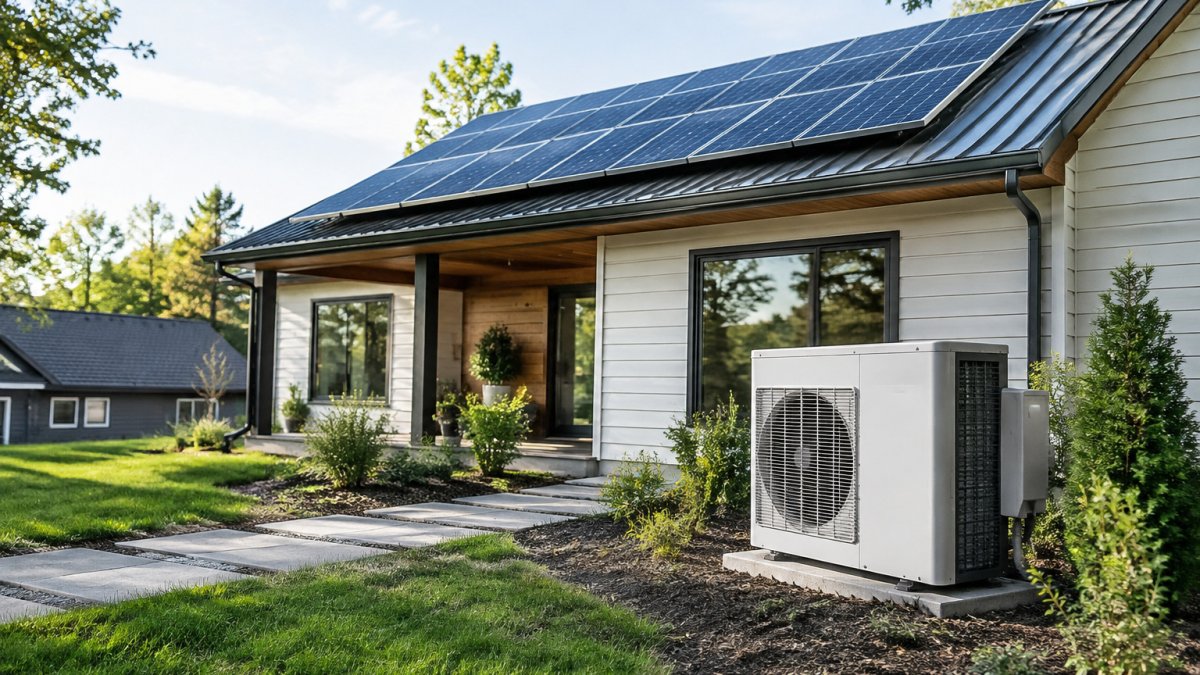
- Heating and cooling efficiency - largest utility-cost reduction, higher upfront cost
- Water-saving fixtures - modest savings, low risk
- Windows and doors - real comfort gains, slow cost recovery
- Energy-efficient appliances - pays back at replacement time
- Solar panels and renewable energy - biggest ticket, longest payback
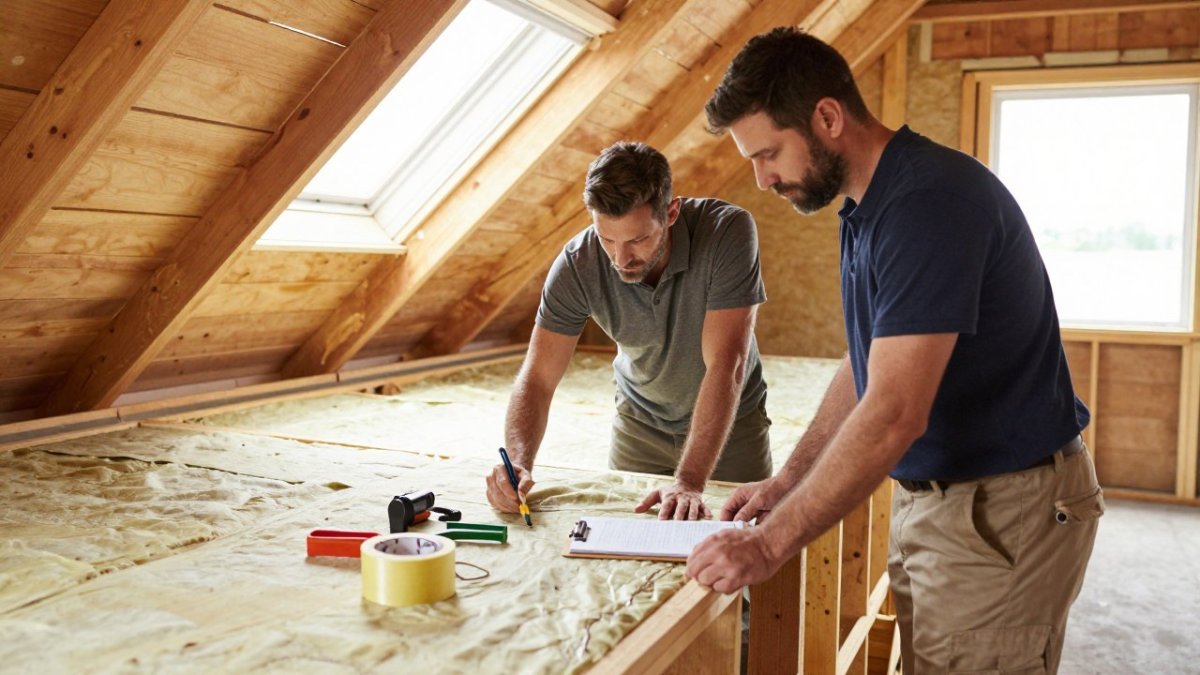
The man is American.
Results depend on your home, climate, and local costs. Below, we outline what each upgrade generally involves.
Start With a Home Energy Audit Before You Spend
Replacing components before identifying the real source of energy loss is a common pitfall. A home energy audit can help prioritize improvements, typically starting with the building envelope before equipment.
If you want a contractor's eyes on the findings before you commit, you can schedule a time with us to talk through your project and get a free consultation.
Insulation Upgrades and Sustainable Renovation Materials: What Holds Value
Sustainable renovation materials are where the value picture gets murkier. Reclaimed lumber, recycled-content drywall, and low-carbon concrete all reduce environmental impact, but not all of them add resale value. A Green Builder Media analysis of sustainable renovations cautions that some eco-friendly improvements do not add value, and a homeowner's $30,000 spend that raised a home's price by $20,000 is a cautionary anecdote, not a benchmark.
For a deeper comparison of materials, costs, and incentives, see our guide to green building solutions for renovations.
| Upgrade | Upfront Cost | Payback Period | Resale Value |
|---|---|---|---|
| Air sealing | Low | Under 2 years | Moderate |
| Attic insulation | Low to moderate | 2-4 years | Moderate |
| LED lighting | Very low | Under 1 year | Low |
| HVAC upgrade | High | 5-10 years | Moderate |
| Window replacement | High | 10+ years | Low to moderate |
| Solar panels | Very high | 7-12 years | Moderate |
Watch out: treating a quoted payback period as a promise. Payback depends on your utility rates, climate, and how you use the home, so ask for the assumptions behind any number.
If you are ready to plan the work, you can explore our services for remodeling, additions, and maintenance.
The gap between sustainable home upgrades that pay and ones that merely sound good comes down to the audit, the sequence, and honest payback math. Meadowview Construction brings over 25 years of experience and a third-generation carpentry heritage to home projects.
Get started with Meadowview Construction and put your renovation budget where it actually returns.
Frequently Asked Questions
Which sustainable home upgrades are worth the cost?
Insulation and air sealing usually pay back fastest because they cut heating and cooling losses with a moderate upfront cost. A home energy audit tells you where the biggest losses are before you spend. Windows, solar panels, and HVAC replacements cost more but can lower utility bills and support resale value. Independent research has examined the return on energy upgrades, though results vary by project, climate, and market.
Do energy-efficient home upgrades increase a home's resale value?
They can, but not automatically. Buyers pay for verified savings, documented permits, and quality installation more than for green labels. A Green Builder Media article cautions that some sustainable renovations may not add value, and resale value should not be assumed to equal what you spent. Keep every utility bill, audit report, and warranty so a buyer or appraiser can confirm the improvement.
What is the most cost-effective way to make a home more energy efficient?
Start with a home energy audit, then seal air leaks and add insulation in attics, walls, and crawl spaces. These insulation upgrades are cheaper than window replacement or solar and often deliver the clearest utility-cost reduction. After that, consider LED lighting and water-saving fixtures, then larger items like windows or HVAC. Many homeowners are increasingly prioritizing upgrades that offer long-term value.